Argentine Club Rugby: Why Los Pumas Are Built Different
Argentine club rugby history explains something that confuses opponents of Los Pumas every time they play them: why does this team fight so hard, so consistently, for so long? According to World Rugby, Argentina remain one of the sport’s most compelling stories.
The answer is not the national programme. It is not the coaching staff. It is the clubs — hundreds of them, spread across Buenos Aires province and beyond — that have been producing rugby players for over a century with almost no professional incentive whatsoever.
A Club Culture Without Professionalism
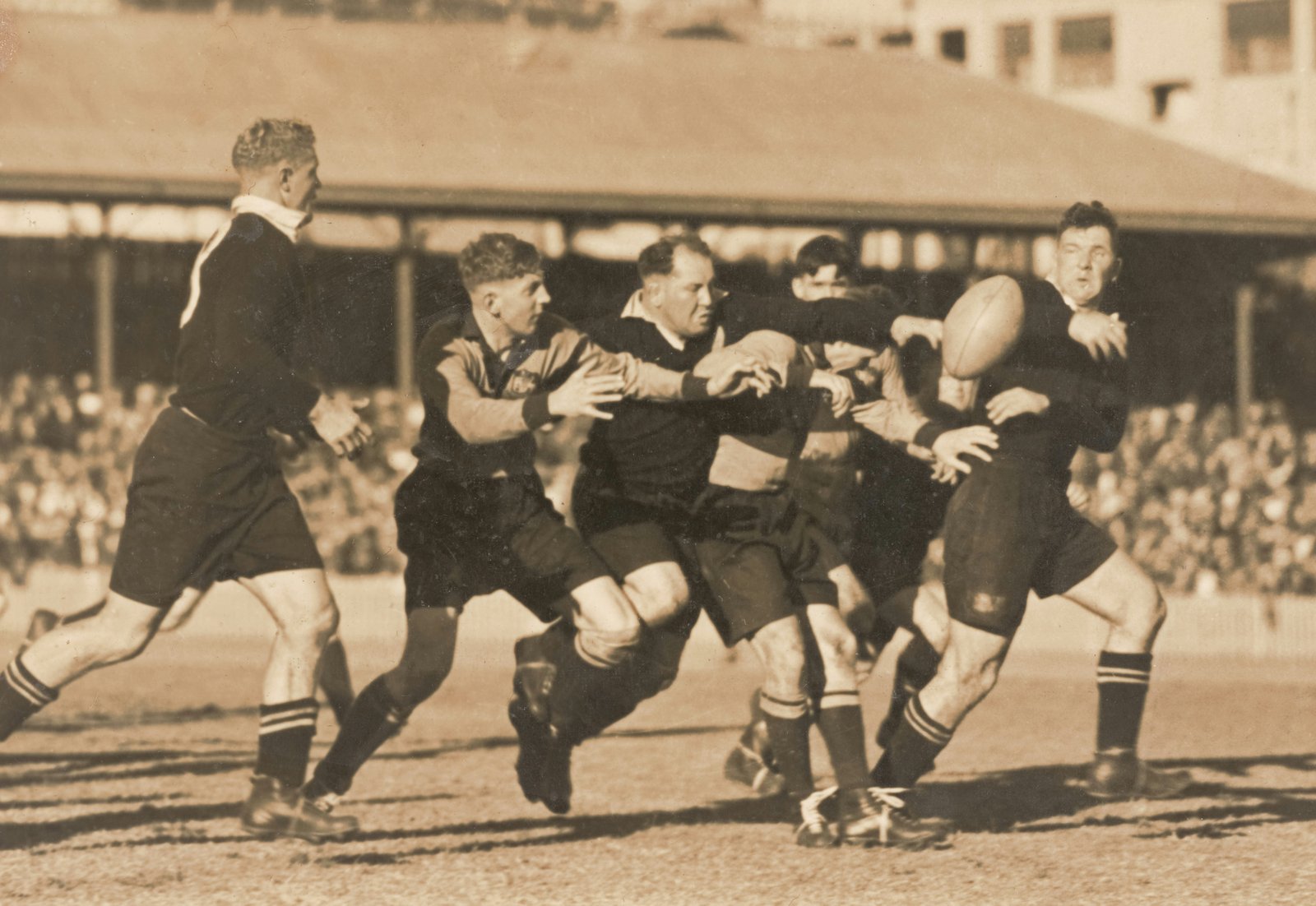
When the professional rugby era began in 1995, Argentina was left behind. The Rugby Championship existed without them. The major leagues of France and England were far away and accessible only to a handful. For most Argentine players, rugby remained entirely amateur — played for clubs, for communities, for the love of the game.
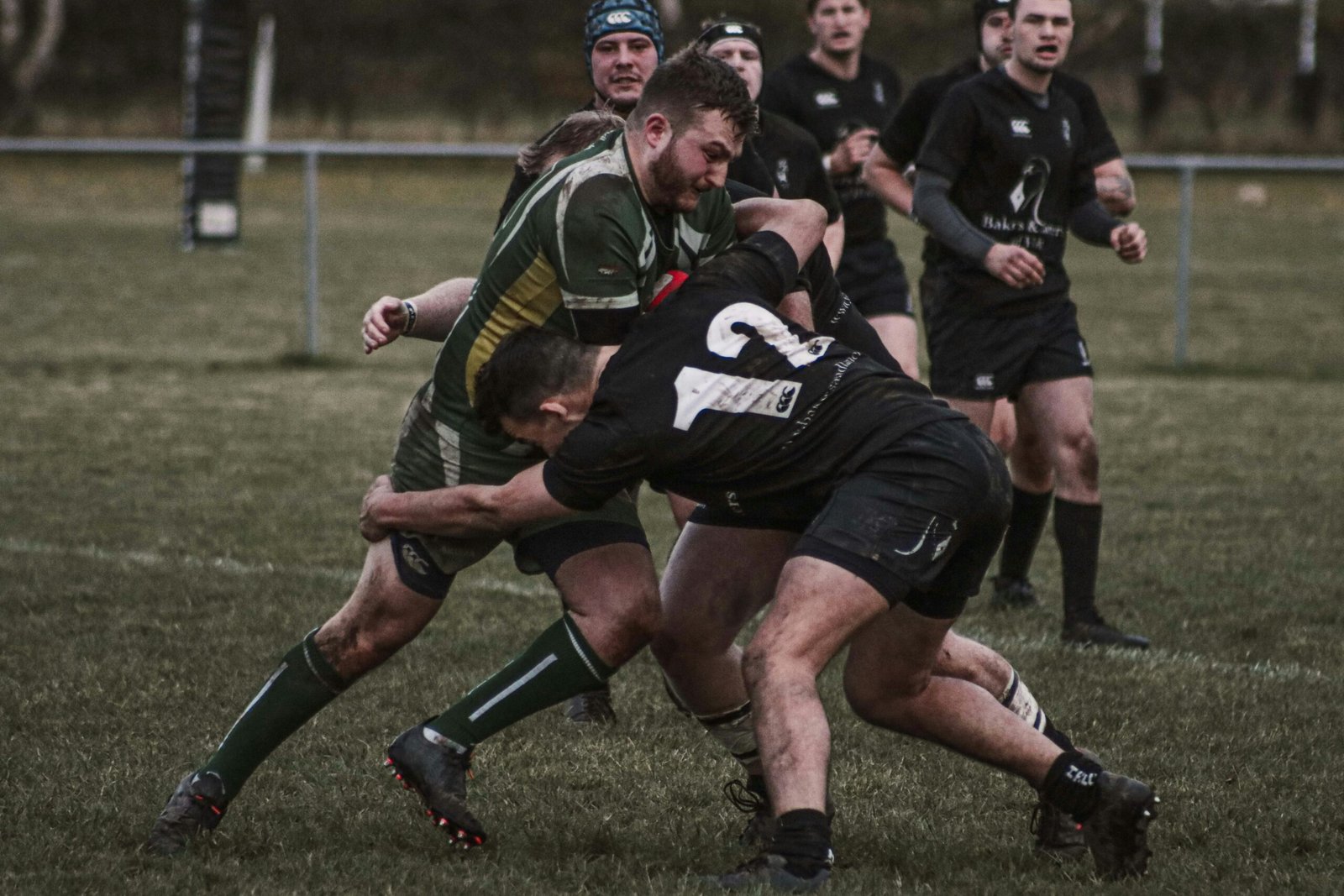
What emerged from that environment was something the professional game rarely produces: players who compete with extreme physicality and collective intensity because that is simply how Argentine rugby has always been played.
The Buenos Aires club championship — the Torneo de la URBA — is one of the most fiercely contested domestic competitions in world rugby. Clubs like San Isidro Club, Newman, Belgrano Athletic, and Alumni have produced generations of players who learned to compete in an environment where every match carries enormous local pride.
The School System
Argentine rugby’s other great engine is its school system. Rugby is taught in private schools across Buenos Aires with a seriousness that would surprise rugby nations where the sport exists primarily at club level.
Young Argentines learn rugby alongside their academic education. By the time they reach senior club rugby, they have been playing the game for a decade, absorbing its culture, its demands, and its values.
Agustín Pichot came through this system. So did Felipe Contepomi. So did Hugo Porta. The pipeline from school to club to province to Los Pumas has been producing world-class players for 50 years.
The Scrum as Cultural Symbol
Argentina’s set piece — particularly the scrum — is not a tactical choice. It is an expression of identity. Argentine props are among the most technically accomplished in the world because scrummaging is treated, at every level of the game, as a craft worth mastering.
When English, Irish, or Australian front rows face Argentina, they know what is coming. They know it will be physical, precise, and relentless. That reputation was built at club level, match by match, across generations.
The Future
The addition of a fourth Argentine franchise — Los Capibaras, representing the Litoral region — to Super Rugby Americas in 2026 signals the continued growth of the club game beyond Buenos Aires. Rugby is spreading. The talent pool is expanding.
Los Pumas are built differently because Argentine rugby is structured differently. The club culture that forged them is not an accident — it is a century of investment in the game at its most fundamental level.