
Pablo Matera: The Loose Forward Who Rebuilt Los Pumas
Pablo Matera has played more Tests for Argentina than anyone in the country’s history, and at 33 he is still the man Los Pumas turn…

Pablo Matera has played more Tests for Argentina than anyone in the country’s history, and at 33 he is still the man Los Pumas turn…

Malcolm Marx did not start the Springboks third test against New Zealand. By full time, he was the name every South African match report led…
The Los Pumas squad for Australia contains 12 players from British clubs — four from Harlequins alone. With no Rugby Championship in 2026, Argentina had no right to any of them.
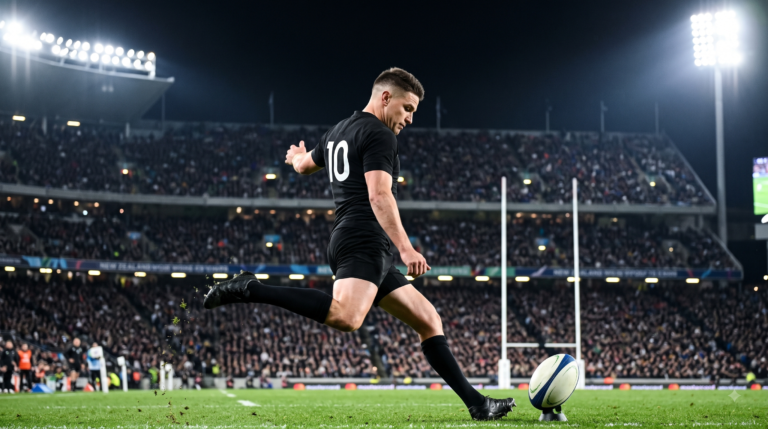
Richie Mo’unga has been recalled to the All Blacks for Rugby’s Greatest Rivalry after three years in Japan. The story of a fly-half who lost his jersey, lost a World Cup final, and is back for one more chapter.

Sacha Feinberg-Mngomezulu is ranked the best rugby player in the world by RugbyPass. He scored 37 points against Argentina in 2025. Los Pumas faced him again in August 2026 — here is what they found.

Which Argentine players are in the URC 2025-26? From Benetton to Zebre, the full guide to Argentine players in the United Rugby Championship — and the remarkable Italian connection behind them.
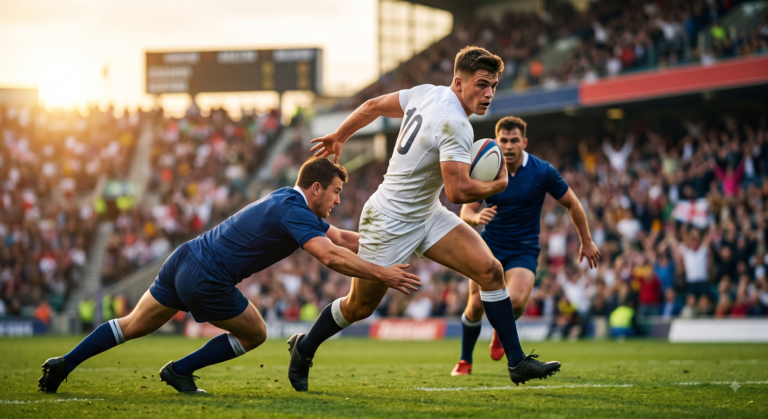
Marcus Smith profile — Harlequins fly-half and England’s most creative back. How Marcus Smith scored against Argentina in 2026 and why he is the most exciting player in English rugby.
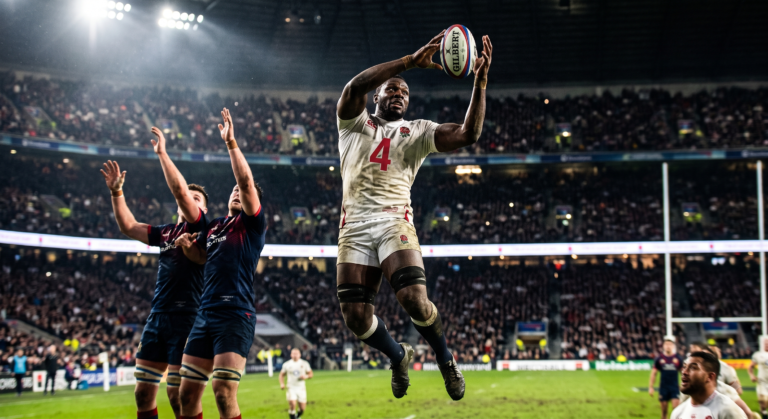
Maro Itoje profile — England captain, first Black Lions captain, Saracens lock and the most dominant forward in world rugby. His career, stats and Argentina connection.
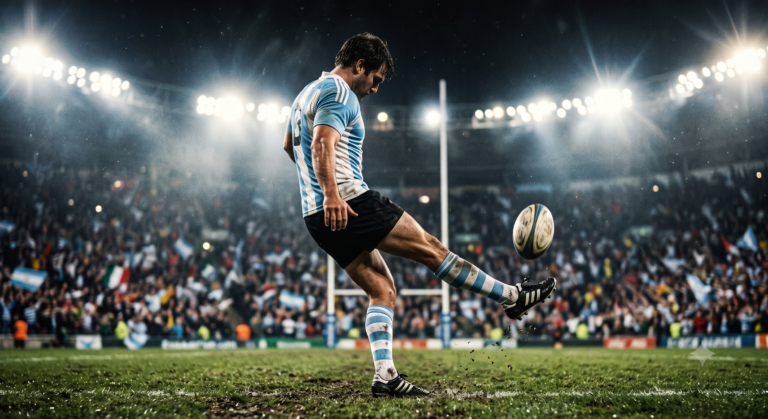
Juan Martín Hernández — El Mago — was the most gifted fly-half Argentina has ever produced. In his prime at the 2007 World Cup, there is a serious argument he was the best number ten in the world.
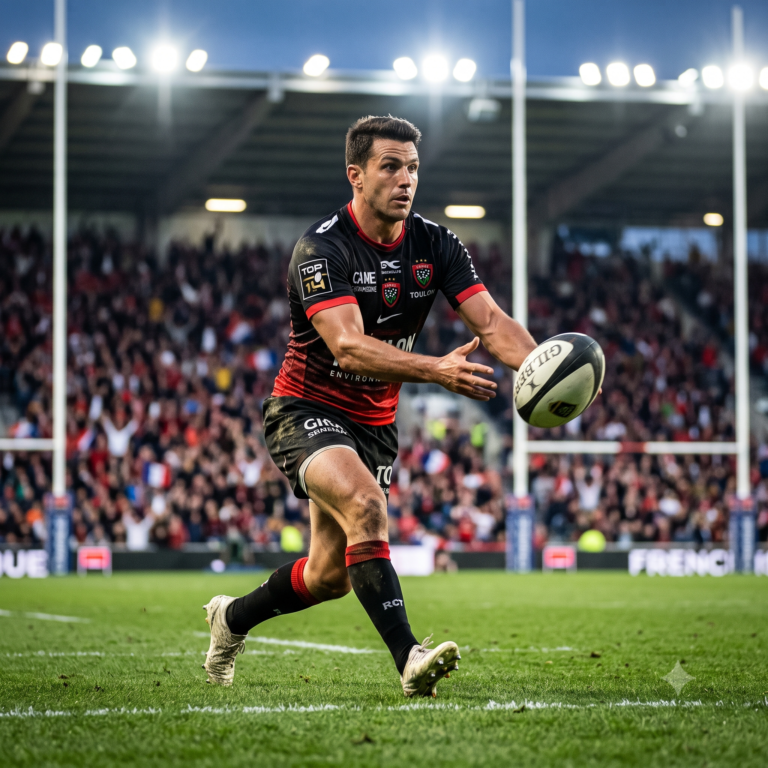
Tomás Albornoz Argentina rugby — the Toulon flyhalf who controls Los Pumas’ attacking game, and why his disciplinary suspension could define Argentina’s Nations Championship.