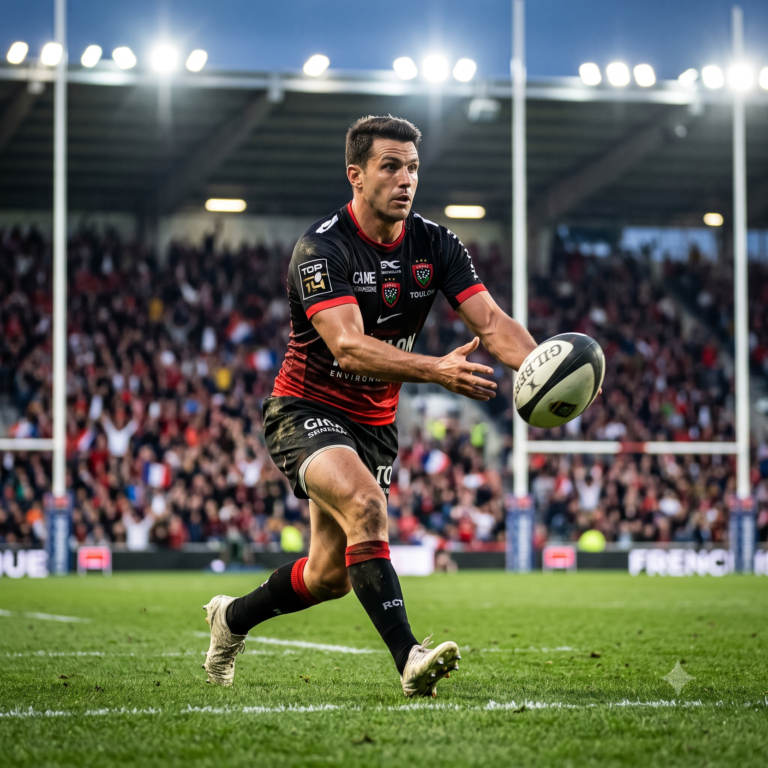
Malcolm Marx: The Hooker Who Decided the Third Test
Malcolm Marx did not start the Springboks third test against New Zealand. By full time, he was the name every South African match report led with.

Malcolm Marx: The Impact That Decided FNB Stadium
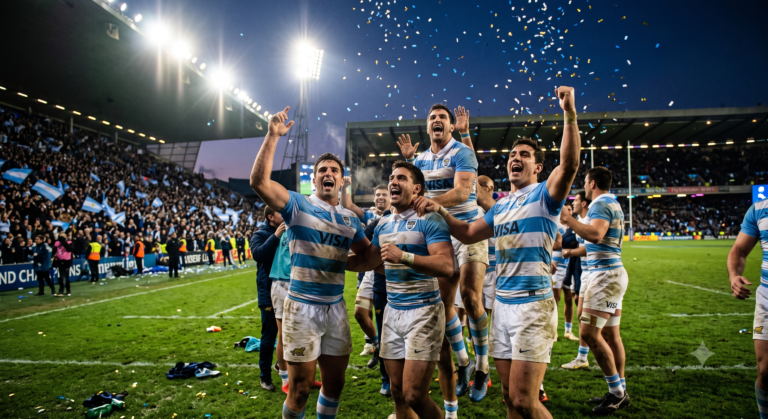
South Africa beat New Zealand 29-24 at FNB Stadium on 5 September 2026, coming from behind in the final quarter to move 2-1 up in Rugby’s Greatest Rivalry. He came off the bench and extended the Springboks’ lead during that decisive spell, and the ratings that followed were unanimous: PlanetRugby called his cameo a “masterclass”, IOL rated him “magnificent”, and News24’s Rob Houwing gave the Springbok hooker line the simplest verdict of all — all heart.
It fit a pattern. South Africa have now won the last two Tests of this series from behind, closing out matches in Cape Town and Johannesburg with a fourth quarter New Zealand could not answer. He has become the player Rassie Erasmus sends on when a match needs deciding, not starting.
Who Is Malcolm Marx?
Malcolm Marx is a hooker from Johannesburg who came through the Golden Lions system, debuting for the Springboks on 17 September 2016. He was named SA Rugby’s Young Player of the Year within a few seasons of his senior debut, and by his late twenties was being described by teammates and opponents alike as the best in the world in his position.
He was part of the Springboks squad that won the Rugby World Cup in 2019, and again in 2023 — back-to-back titles that South Africa built on forward dominance, with his work at the breakdown and in the scrum central to both campaigns. Injury has interrupted his career more than once, including knee problems that have cost him significant playing time, but the pattern on Saturday in Soweto was a familiar one: fit, introduced from the bench, and immediately decisive.
What sets Malcolm Marx apart from most hookers is that his game was never built only around the set piece. He is as comfortable competing for the ball on the deck as any openside flanker, and that willingness to fight for turnovers at the breakdown is exactly what separates his cameos from a routine bench appearance — it is why Springbok coaches keep finding a way to get him on the field even when he is not starting.
Since 2020, he has also played his club rugby in Japan, for the Kubota Spears in Tokyo Bay, returning to Springbok colours for international windows. That arrangement, now common among senior Springboks, has not blunted his Test form — if anything, South Africa’s coaching staff treat his fitness and freshness off the bench as a weapon in its own right.
What Comes Next
South Africa now cannot lose Rugby’s Greatest Rivalry: at 2-1, the worst outcome left is a drawn series if New Zealand win the fourth and final Test in Baltimore on 12 September, the first time this fixture has been played on United States soil. Whether he starts or comes off the bench again, South Africa’s bench has decided the last two Tests of this series — and New Zealand still have not found an answer.
As it turned out, South Africa did not need a repeat heroics act in Baltimore — a six-try performance settled that fourth Test long before the closing stages. But the pattern Malcolm Marx set in Johannesburg, of a Springboks bench that could turn a match on its own, was part of the platform that carried into that final result.
Read our full report on the Springboks third test in Johannesburg and how South Africa closed out the series in the fourth Test in Baltimore. For his full career record, see Malcolm Marx’s profile on Wikipedia.