Argentina 24-31 England: The Scrum, The Music, and the Try That Wasn’t
Argentina England Nations Championship 2026 delivered one of the most layered, complicated rugby matches of the year — and the final score of 31-24 to England tells only a fraction of the story. According to World Rugby, Argentina remain one of the sport’s most compelling stories.
This was not a match about a winner and a loser. It was about two teams that desperately needed to win, a stadium that shook for 80 minutes, a try that will be debated for weeks, and a coach who walked out of a press conference with more dignity than anyone gave him credit for.
Let me tell you what happened — and what the English media won’t.
The First Half: England’s Discipline, Argentina’s Nightmare
England came to Santiago del Estero under enormous pressure. Heavily criticised after their July tour started poorly, Steve Borthwick’s side needed a result. They got one in the most unexpected way: by being the disciplined team.
Tommy Freeman scored inside four minutes. Ben Earl — outstanding throughout — crossed twice. Argentina, playing at home in front of a crowd still riding the wave of Wednesday’s football World Cup semifinal win over England, found themselves 3-19 at half-time.
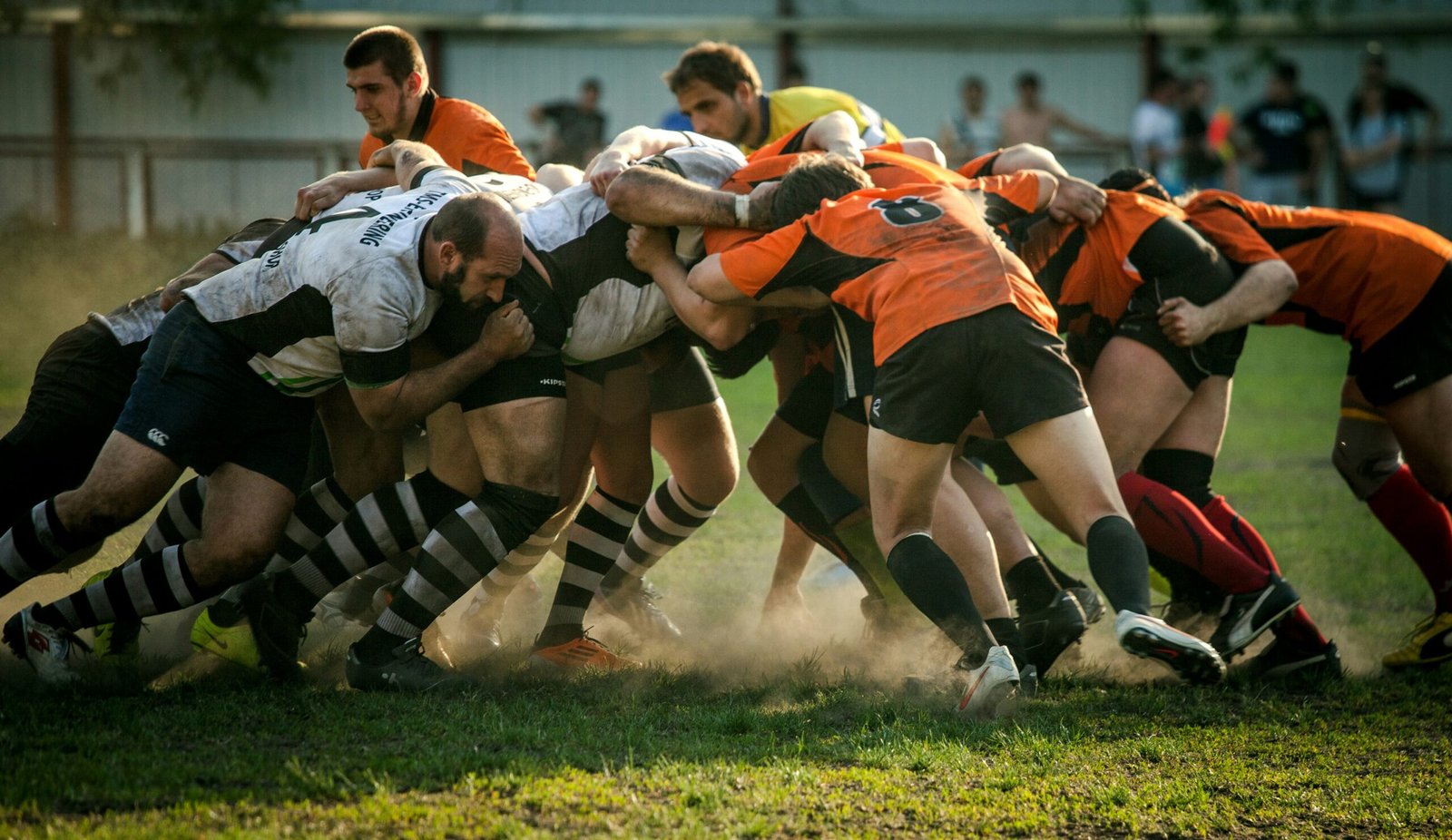
It was a disaster. And it started in the scrum.
The Scrum Problem Nobody Wants to Talk About
I played rugby for 13 years in Buenos Aires. I know what the Argentine scrum is supposed to look like. For decades it was the foundation of everything Los Pumas built — the platform that allowed Hugo Porta to kick, that gave Agustín Pichot quick ball, that made Argentina feared by every team in the world.
Against England on Saturday, it was a liability.
Props Mayco Vivas and Tomás Rapetti were outclassed by Joe Heyes and England’s front row. RugbyPass rated them 4/10 and 5/10. The scrum that was once Argentina’s weapon became England’s opportunity — and England took it, repeatedly.
Felipe Contepomi has built an exciting, expansive attacking game. Joaquín Oviedo is a force of nature. Tomás Albornoz is one of the best playmakers in the southern hemisphere. But if the front row cannot compete at scrum time, Los Pumas will keep losing matches they should be winning.
This is the structural problem of Argentine rugby in 2026. It needs to be said.
The Second Half: One of the Great Comebacks That Wasn’t
And then something remarkable happened.
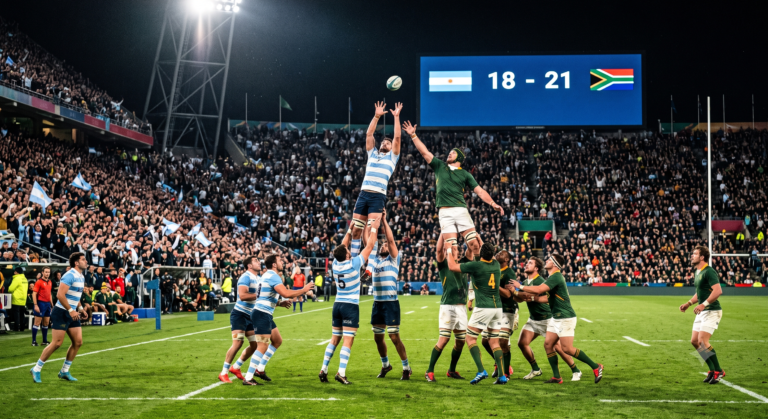
Argentina came out in the second half and played some of the best rugby I have seen from Los Pumas in years. With England reduced to 13 men — yellow cards to Henry Pollock and Emanuel Iyogun — Argentina closed the gap from 3-19 to 17-19. Santiago del Estero was shaking.
Albornoz, quiet and precise, orchestrated everything. Oviedo carried like a man possessed — 25 carries, remarkable footwork, a yellow card that was the only blemish on his performance. Justo Piccardo tackled everything and scored.
But here is the thing nobody in the English media mentioned: Argentina had 15 men against 13, and couldn’t take the lead. Then, almost immediately, the numerical advantage reversed — England back to 15, Argentina down to 13. The match swung on discipline as much as rugby.
Both teams fought to the final second. Both coaches praised the attitude of their players afterward. This was not a match for the faint-hearted.
The Try That Wasn’t — And the One That Should Have Been
In the final moments, Bautista Delguy touched down what appeared to be a match-saving try. The TMO reviewed for five minutes and disallowed it: Delguy’s shoulder had made contact with the post before he grounded the ball.
Was it the right call? Probably yes. The letter of the law says the try was invalid.
But here is the question the TMO didn’t answer: Noah Caluori’s tackle on Delguy in the same sequence was high. Clearly high. The kind of tackle that, reviewed properly, warrants a penalty try — which would have given Argentina seven points and a 31-31 draw.
The TMO reviewed the grounding. They did not review the tackle. That is the controversy. Not that the try was disallowed — but that the process was incomplete.
I am not saying Argentina were robbed. I am saying there is a legitimate question that deserved an answer, and it didn’t get one.
The Week That Confused Everything
I want to raise something no English or Argentine journalist has written, because it requires seeing both sides at once.
This was the strangest week in the history of the Argentina-England rugby rivalry. Argentina had beaten England in the World Cup football semifinal on Wednesday. Los Pumas ran out in Santiago del Estero wearing a retro kit that echoed the football team. The crowd was carrying Malvinas flags. The atmosphere was more Copa del Mundo than Nations Championship.
Did that help Argentina? I’m not sure it did.
Rugby requires a very specific mental focus. When your stadium is still celebrating a football victory, when your jersey is borrowed from a different sport’s history, when the political and cultural weight of a week like this presses down on 23 players trying to execute a scrum-half box kick at 19-19 — it is reasonable to ask whether the context hurt concentration as much as it fired emotion.
England felt it too. Their players admitted the atmosphere was unlike anything they had experienced. But they channelled it into discipline and execution in the first half when it mattered most.
Contepomi, The Music, and The Dignity of Walking Out
After the match, Felipe Contepomi sat down for his press conference. Loud music and celebration from England’s dressing room next door made it impossible to speak.
He asked for the volume to be lowered. England’s media officer declined.
Contepomi stood up, said “No me parece muy respetuoso — I don’t think this is very respectful” and walked out.
On Reddit’s r/rugbyunion — overwhelmingly English in its demographics — the most upvoted comment was not criticism of Contepomi. It was criticism of the stadium organisers for placing the press room next to the away changing room. The second most upvoted noted, dryly: “They never considered the possibility that the home team might lose.”
Even the online English rugby community, not naturally sympathetic to Argentina, understood that Contepomi was not being dramatic. He was defending the dignity of a press conference — and of a team that had just fought for 80 minutes and deserved to be heard.
What This Result Means
Two losses from three Nations Championship matches. England’s record against Argentina now reads 16 wins from the last 17. These are uncomfortable numbers for a team that is clearly improving under Contepomi.
The second half on Saturday showed what Los Pumas can become. The first half — and the scrum — showed what is still holding them back.
Albornoz is world class. Oviedo is one of the most exciting back rowers in international rugby. The talent is there. But until the front row competes, Argentina will keep finding themselves chasing matches they should be leading.
Contepomi knows this. His walk out of that press conference was not a meltdown — it was the controlled anger of a man who sees exactly what needs to be fixed, knows it hasn’t been fixed yet, and is not prepared to be disrespected while he works on it.
Los Pumas lost. But they didn’t surrender. There is a difference — and it matters for what comes next.